As a former early childhood educator with 11 years in the classroom, I have watched thousands of children walk through the gates on their first day of primary school. If there is one thing I’ve learned, it’s that the secret to a successful transition isn't found in a workbook or a fancy new pencil case—it’s found in the quiet, consistent routines you build at home in the months leading up to the big day.
Parents often ask me, "Is my child ready?" and they usually mean, "Can they read? Do they know their numbers?" My response is always the same: School readiness is about the whole child. It is about emotional regulation, self-help skills, and the confidence to navigate a new environment. When you focus on helping your child get ready independently, you aren't just making your school mornings easier; you are giving your child the tools to thrive in the classroom.
Redefining School Readiness: It’s Not Just Academics
There is a persistent myth that children need to be writing sentences or doing basic addition before they hit the prep or https://upwardparenting.com/how-to-help-your-preschooler-prepare-for-school/ kindergarten year. While early literacy and numeracy are great, they are not the primary drivers of a successful school transition. A child who can confidently manage their own belongings, express their needs, and transition between tasks will handle the academic load far more easily than a child who is academically advanced but lacks the foundational "life skills."
In my experience, qualified early childhood educators look for a child who can participate, listen, and manage their personal care. These are the skills that build a bridge between home and school.
The Foundation of Independence: Self-Help Skills
Before we talk about the morning clock, we have to talk about the physical skills needed to navigate a school day. Independence is built in the bathroom, at the dresser, and in the kitchen. If your child can dress themselves, they won't feel embarrassed when it's time to change for sport or manage their coat during recess.

Mastering Self-Help
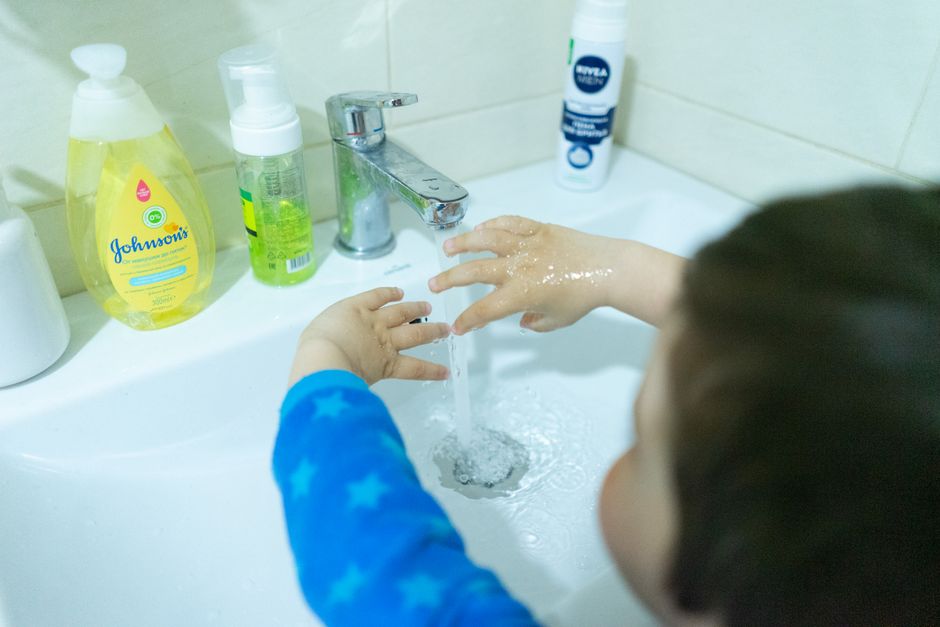
- Toileting: This includes managing clothing (zippers, buttons, and belts) and hygiene (wiping and handwashing). Dressing: Practice putting on uniforms, pulling up socks, and managing footwear. Velcro is your friend during the transition year! Belongings: Teach your child to recognize their own bag and name label. Practice zipping and unzipping their school bag multiple times.
If you have concerns about your child's fine motor skills—such as struggling with buttons or zippers—I highly recommend consulting with occupational therapists. They are experts in helping children develop the coordination required for these everyday tasks, and their insights can make a world of difference for your child’s confidence.
The Power of Play: Building Motor Skills
Believe it or not, your child is preparing for school every time they build a tower or draw a picture. You don't need formal drilling; you need play. Use these play-based learning activities to build the muscles and cognitive skills necessary for school success:
- Blocks: Developing spatial awareness and engineering problem-solving. Puzzles: Enhancing focus, perseverance, and visual-perceptual skills. Art materials & Playdough: Strengthening hand and finger muscles (the same ones used for holding pencils). Child-safe scissors: Improving hand-eye coordination and bilateral integration.
These activities are not just "fun"—they are essential. If you notice your child having difficulty with these tasks, don't hesitate to reach out to speech pathologists or other developmental specialists. Sometimes, a child's frustration with school tasks is simply a lack of specific motor or communication development that can be easily supported through targeted, playful intervention.
Lunchbox and Eating Skills
One of the biggest stressors for children in their first week of school is lunch. They have a limited time to eat, and they often struggle with packaging. To set up a successful routine, practice these skills at home:
Can they open their lunchbox containers independently? Can they unwrap their snacks (peel a banana, open a yogurt tub, etc.)? Are they used to sitting for 20 minutes to finish a meal, or are they grazing throughout the day?
Practice having a "mock school lunch" at home where everything is packed into the lunchbox, and your child has to manage everything without your help.
Designing Your Consistent Morning Routine
The goal for school mornings is to remove the "hurry-up" energy that often leads to tantrums and stress. A consistent routine acts as an external brain for your child. When they know exactly what comes next, they feel safe and in control.
Use visual aids—like a checklist on the fridge—to help your child get ready independently. Use icons or pictures if they aren't reading yet. Your routine should be simple, predictable, and rhythmic.
The "Five-Step" Morning Flow
Step Task Tip for Success 1 Dress & Bathroom Lay clothes out the night before. 2 Nutritious Breakfast Keep the menu predictable to avoid morning indecision. 3 Hygiene Routine Brush teeth, wash face, and brush hair. 4 Pack-up Check Check for hat, water bottle, and lunchbox. 5 Departure Leave on time to allow for a calm arrival at school.Leveraging Your School Transition Supports
Most schools offer orientation visits and information sessions (school transition supports). These are not just for the children; they are for you, too. Attend every one you can. These sessions are designed to demystify the school environment and help you understand the specific expectations of your child's new teacher.
During these visits, observe where the bathrooms are, where the bags go, and how the classroom is set up. Discussing these specific areas with your child later will help lower their anxiety. If they know what the classroom looks like and where they will put their bag, the first day feels less like a leap into the unknown and more like an exciting step forward.
A Final Note from a Former Teacher
Please remember: There will be good days and bad days. Your child might master dressing themselves one day and refuse to do it the next. This is all part of the process. Your role is not to be a perfect coach, but a steady, encouraging presence.
By focusing on self-help skills, engaging in playful fine-motor activities, and creating a predictable morning rhythm, you are setting the stage for success. You aren't just preparing them for the first bell of the first day; you are helping them build the independence they will carry throughout their entire school journey.
Take a deep breath. You’ve done the hard work, and your child is ready for this. See you at the school gate!